


When an oil well blows , it means that high-pressure oil, natural gas, and formation fluids have escaped the wellbore in an uncontrolled, violent eruption that can destroy the drilling rig, ignite into an inferno visible for miles, and spray toxic hydrocarbons across the surrounding land or sea. A well that blows is not simply leaking; it is releasing the immense energy stored in a deep underground reservoir, often at pressures exceeding 10,000 to 15,000 pounds per square inch (psi) , with enough force to launch drill pipe out of the hole like a javelin and turn the entire wellhead into a jet engine of burning fuel. Understanding exactly 유정이 터지면 어떻게 되나요? requires examining the physical forces that trigger the event, the cascading destruction that follows within seconds and hours, and the lasting environmental and economic scars that can persist for decades.
The Physics of a Blowout: Why an Oil Well Erupts
A blowout occurs because the formation pressure of the underground reservoir overwhelms the hydrostatic counter-pressure of the drilling mud column, and the 폭발 방지 장치 (BOP) stack on the seafloor or at the surface fails to seal the well. In a stable drilling operation, the borehole is filled with a carefully weighted drilling fluid—a mixture of clay, water, and barite—that exerts a pressure at the bottom of the hole slightly higher than the pressure of the oil- and gas-bearing rock formation. This overbalance prevents reservoir fluids from entering the well. According to the American Petroleum Institute's standard API RP 59, the hydrostatic pressure must exceed the formation pressure by a margin of at least 200 to 500 psi during normal operations. When this balance is lost, perhaps because the mud weight is too low, the formation is unexpectedly overpressured, or the mud column is removed during a trip out of the hole, reservoir gas begins to enter the wellbore. This influx is called a kick. If the kick is not detected and the BOP is not activated in time, the expanding gas pushes the mud column upward, further reducing bottomhole pressure, and the influx accelerates into a runaway blowout.
The energy driving the blowout is staggering. A deep gas reservoir at 10,000 psi and a temperature of 250°F (121°C) stores an amount of potential energy equivalent to a large bomb. As the gas rises in the well, it expands rapidly due to decreasing hydrostatic head, multiplying its volume hundreds of times. By the time this gas reaches the surface, it may be traveling at supersonic speeds, and a single spark—from a metal impact, an electrical arc, or a hot engine surface—can ignite it into a jet flame that burns at temperatures above 2,000°F (1,093°C) . This is the moment when a drilling operation becomes a disaster, and the first seconds define the immediate danger to personnel and equipment.
The Immediate Consequences: Fire, Explosion, and Toxic Gas Clouds
Once an oil well blows and ignites, the rig and its surrounding area become an unsurvivable inferno within seconds, generating a fireball that can be seen from dozens of miles away and releasing a deadly plume of hydrogen sulfide gas if the reservoir is sour. The initial explosion is often a vapor cloud explosion: the escaped gas mixes with air, and when the fuel-to-air ratio reaches the explosive range, it detonates with enough force to throw heavy equipment hundreds of feet. The Deepwater Horizon accident investigation conducted by the U.S. Chemical Safety Board determined that the first explosion aboard the rig was fueled by methane gas that had risen through the marine riser and entered the mud-gas separator and ventilation intakes. The blast killed 11 crew members instantly and sent the multi-billion-dollar rig to the seafloor in 36 hours.
For wells that contain hydrogen sulfide (sour gas), the blowout releases an invisible, heavier-than-air toxic gas that can kill a human with a single breath at concentrations above 500 parts per million (ppm) . Evacuation zones for sour gas blowouts extend for miles around the well site, and responding crews must wear self-contained breathing apparatus. Even if the well does not ignite, the ejected crude oil can rain down over a wide area, coating land, vegetation, and waterways in thick, sticky hydrocarbons. 이해 유정이 터지면 어떻게 되나요? means recognizing that the threat is not limited to the immediate drill site; it cascades outward in a radius determined by wind, terrain, and the violence of the eruption.
Environmental Devastation from an Oil Well Blowout
An offshore oil well blowout releases crude oil directly into the marine environment at a rate that overwhelms natural attenuation, creating a floating oil slick that kills seabirds, marine mammals, fish larvae, and entire coral ecosystems. The Macondo blowout in the Gulf of Mexico in 2010 discharged an estimated 4.9 million barrels of crude oil over 87 days before the well was capped, according to the Flow Rate Technical Group assembled by the U.S. government. Satellite imagery tracked the surface slick as it grew to cover over 40,000 square miles , and shoreline surveys documented oil contamination along 1,300 miles of coastline from Texas to Florida. The National Oceanic and Atmospheric Administration (NOAA) estimated that the spill directly killed or injured over 100,000 marine birds, 6,000 sea turtles, and billions of larval fish , with long-term population-level effects still being studied years later.
On land, a blowout from a production well or during drilling can contaminate soil and groundwater for decades. Crude oil contains benzene, polycyclic aromatic hydrocarbons, and heavy metals that are toxic to soil microbes and can migrate into aquifers. The remediation cost for a single large onshore blowout can exceed $100 million , and the natural ecosystem may not fully recover for 30 to 50 years. These enduring environmental consequences are a central part of the answer to 유정이 터지면 어떻게 되나요? , because the spill does not disappear when the well is finally controlled; it remains in the ecosystem, moving through the food web and altering the landscape for human and wildlife communities.
| Blowout Event | Oil Spilled | 기간 | Control Method | Fatalities |
|---|---|---|---|---|
| Deepwater Horizon (2010) | 4.9 million barrels | 87 days | Capping stack then relief well | 11 workers |
| Ixtoc I (1979) | 3.3 million barrels | 294 days | Relief wells with heavy mud kill | 0 (platform evacuated) |
| Montara (2009) | 30,000 barrels | 74 days | Relief well intercept and kill fluid | 0 |
| Lake Peigneur (1980) | Minimal; freshwater lake drained | 3 days to drain lake | Lake water pressure killed well | 0 |
Human and Economic Costs of a Blowout
Blowouts are the deadliest accident type in the oil and gas extraction industry, responsible for the majority of multi-fatality incidents, and the financial aftermath can bankrupt companies through cleanup liabilities, fines, and compensation payments. The U.S. Bureau of Safety and Environmental Enforcement (BSEE) tracks blowout incidents and has reported that between 2007 and 2019, blowouts accounted for over 70% of fatalities in offshore drilling accidents in federal waters. The immediate cause of death is usually blunt force trauma from the explosion, burns, or drowning. For the workers who survive, the psychological trauma is lasting, and many experience post-traumatic stress disorder (PTSD) long after the event.
The economic cost is similarly staggering. The Deepwater Horizon disaster resulted in BP paying over $65 billion in total costs, including cleanup, federal penalties under the Clean Water Act, natural resource damage assessments, and economic claims from affected businesses. A single onshore blowout that contaminates a municipal water supply or forces the evacuation of a town can easily run into hundreds of millions of dollars. These costs are part of 유정이 터지면 어떻게 되나요? because they ripple through insurance markets, regulatory frameworks, and the energy industry's approach to risk management, leading to stricter safety protocols and more robust well design.
Controlling and Stopping an Oil Well Blowout
Stopping a blowout requires a multi-pronged approach: deploying a capping stack onto the damaged wellhead using remotely operated vehicles in deep water, drilling one or more relief wells to intersect the original borehole and pump in heavy kill-weight mud, or in extreme cases, using explosives to extinguish the fire and redirect the flow. The capping stack is a massive, hydraulically activated valve assembly that can be lowered over the gushing wellhead on the seafloor. Once locked into place, the valves are slowly closed, and the well's flow is captured and diverted to surface vessels. During the Macondo response, a capping stack was successfully installed on day 87 , stopping the flow temporarily, but it was the relief well, completed on day 107 , that permanently killed the well by pumping cement into the reservoir thousands of feet below the seabed.
Relief well drilling is the definitive solution because it intercepts the blowing well far below the surface and establishes direct hydraulic communication with the formation. Engineers pump dense drilling mud into the reservoir, overcoming the formation pressure and stopping the influx of oil and gas. Then cement is injected to permanently seal the well. The entire process can take months because the relief well must be drilled to a precise target with an accuracy of a few feet at depths of several miles. This careful engineering work is the most reliable answer to stopping the violent spectacle of 유정이 터지면 어떻게 되나요? , but it is agonizingly slow for communities and ecosystems absorbing the ongoing damage.
Frequently Asked Questions About Oil Well Blowouts
What is the difference between a kick and a blowout?
A kick is the initial entry of formation fluids into the wellbore, which, if detected by monitoring pit volume and flow rate, can be circulated out safely using the BOP. A blowout is the uncontrolled escalation of that kick after the primary pressure barriers fail, resulting in an unimpeded flow to the surface. Every blowout starts as a kick, and rapid, correct response to a kick prevents the catastrophic progression.
Can a blowout be predicted before it occurs?
Blowouts cannot be predicted with certainty, but the conditions that lead to them—abnormally high formation pressure, inadequate mud weight, and malfunctioning BOP components—can be identified through careful drilling practices and real-time monitoring. Modern rigs use advanced pressure-while-drilling sensors and automated kick detection systems that alert the driller to an influx within seconds, providing the opportunity to shut the well in before a blowout develops.
How long does it take to clean up after a major oil well blowout?
Physical cleanup of visible oil from beaches and marshes may take one to five years , but ecological recovery can take decades. Submerged oil mats and weathered tar balls can resurface for years after the visible spill is gone. The restoration of fisheries and bird populations often spans 10 to 30 years, and some sensitive habitats like deep-water coral communities may never fully return to their pre-spill state.
What safety systems are supposed to prevent a well from blowing out?
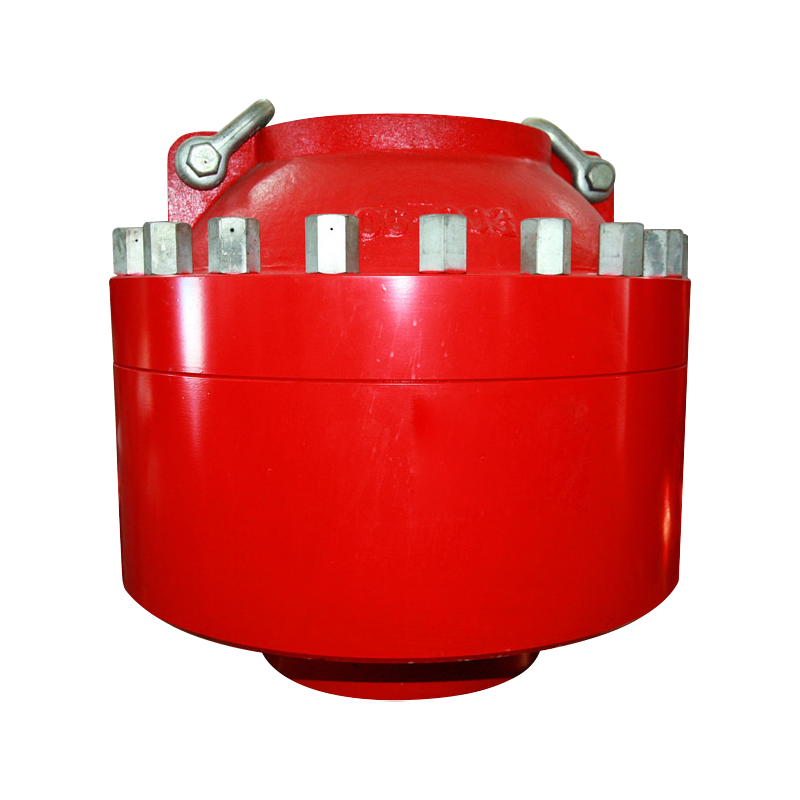
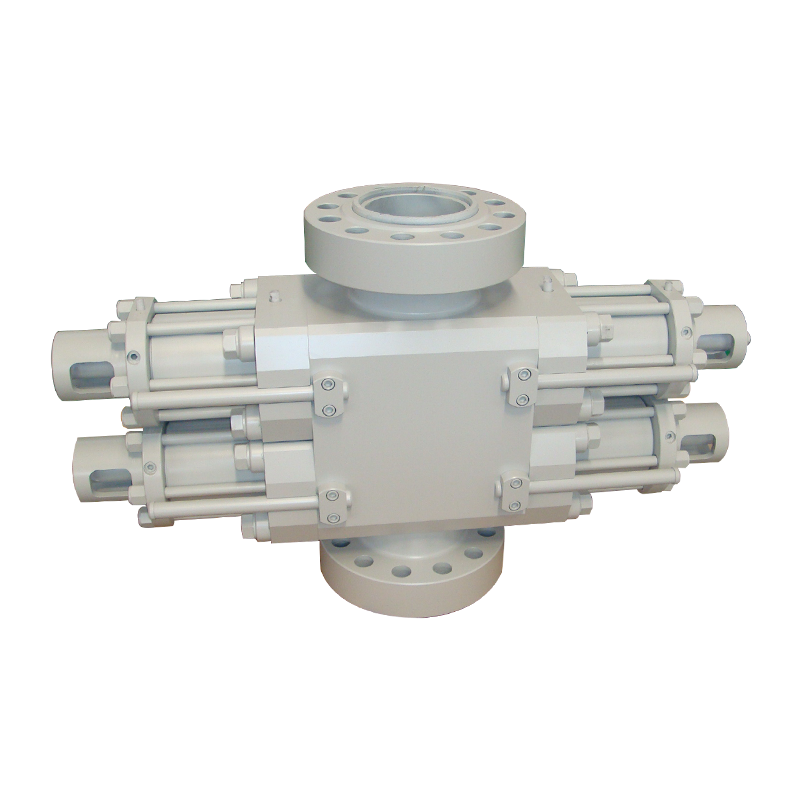
주요 안전 장벽은 굴착 유체 컬럼과 폭발 방지 스택입니다. BOP는 드릴 파이프를 절단하고 유정을 완전히 밀봉할 수 있는 여러 세트의 강력한 램, 모든 모양 주위를 닫는 환형 방지 장치, 램을 유압식으로 활성화하는 제어 포드로 구성됩니다. API 표준 53에 따라 유지 관리 및 테스트할 때 BOP 스택은 매우 안정적이지만 Deepwater Horizon 조사에 따르면 배터리 결함, 솔레노이드 배선 오류 및 테스트 일정 우회로 인해 활성화 시 BOP가 닫히지 못하는 현상이 모두 발생했습니다.
파악 유정이 터지면 어떻게 되나요? 지하 수천 피트의 압력 불균형으로 시작하여 표면의 지옥, 바다를 가로질러 퍼지는 기름막, 통제권을 되찾기 위한 길고 어려운 캠페인으로 끝나는 일련의 사건을 보여줍니다. 이는 깊은 고압 저수지에서 화석 연료를 추출하는 일에는 지속적인 경계, 엄격한 엔지니어링, 드릴 비트가 바뀔 때마다 최악의 시나리오에 대응할 준비가 필요한 내재된 위험이 수반된다는 점을 상기시켜 줍니다.
 +86-0515-88429333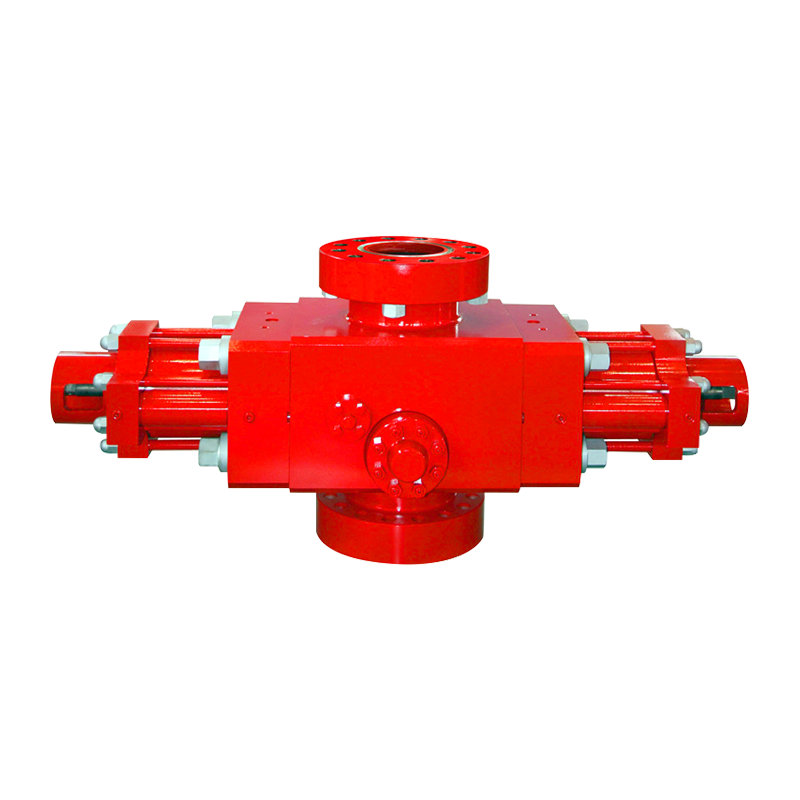
 저희에게 연락하십시오
